SLO/ENG

Integrative psychotherapy for personal growth

Psychotherapy for personal growth and coping with life's challenges. Together we explore paths towards a more balanced and fulfilling life.

"Rarely, if ever, are any of us healed in isolation. Healing is an act of communion."
Bell Hooks

What is psychotherapy

Psychotherapy is a process of getting to know yourself more deeply through a safe and supportive relationship with a psychotherapist. It allows you to explore and reshape the patterns of thought, behaviour and emotion that shape your life. Therapeutic work brings together both mind and body – by integrating the two, we gain access to parts of ourselves that have so far been less conscious, and we create space for inner growth and change.

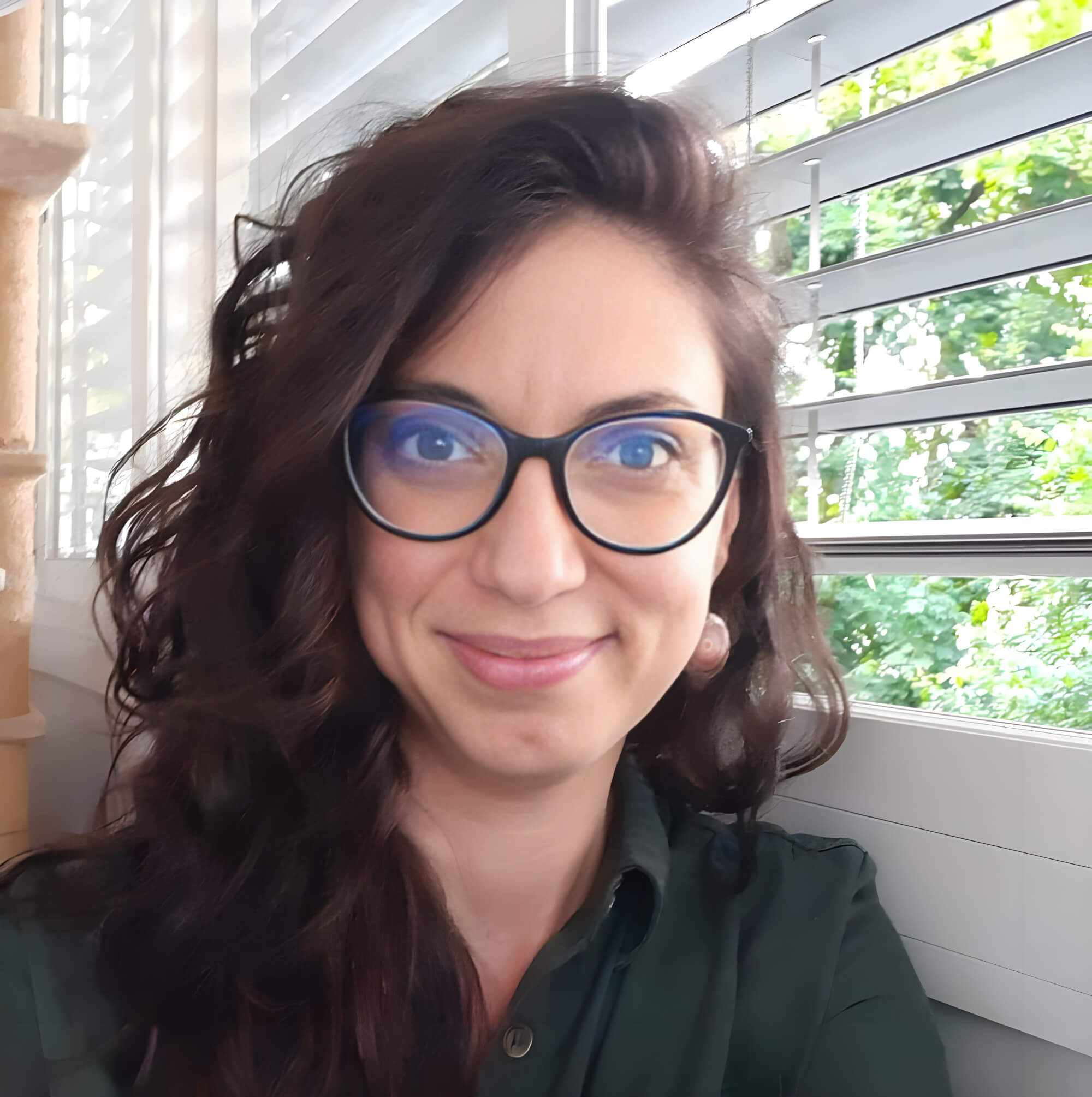
Nanča Čebron Lipovec

About me

Nanča Čebron Lipovec
Master of Pharmacy, integrative psychotherapist in training under supervision

My work is grounded in integrative psychotherapy as developed by Richard Erskine, which understands a person as a whole – through their emotional, physical, mental, behavioural and relational experience. The therapeutic process is not predetermined and identical for everyone; I adapt it to each individual, to their story, their needs, their inner rhythm and their goals.

In the therapeutic process I create a space where the client can explore their feelings, reactions, inner conflicts, defensive strategies and unmet needs at their own pace. It matters to me that the person in therapy feels heard, understood and accepted, while also being gradually supported in developing new ways of experiencing, deciding and relating to others.

The aim of therapy is greater inner connectedness, a clearer contact with oneself, more trust in one's own experience, and more possibilities for a more authentic and fulfilling life.

I offer psychotherapy both in person and online.

"You only have to let the soft animal of your body love what it loves."
Mary Oliver

More about me

I am a lover of nature, especially of the high mountains, where I spend every weekend I can. Retreating into the embrace of mountain heights reminds me again and again of my own smallness and of what truly matters to me in life. It gives me the "view from the outside" that is just as important in psychotherapeutic work. I am also a passionate dancer of contact improvisation, a dance that is more than dance – a conversation without words, without all the mental baggage. The most honest, direct, mindful contact – the very kind we seek and build in psychotherapy, both with ourselves and with others.

At least once a year I find myself drawn to undiscovered parts of the world, where I delight in new smells, tastes and views, and surrender to that inner intuition which on every journey brings me exactly where I need to be, exactly to what I need in that moment. I see the search for this inner clarity as an important goal in therapeutic work too.

I lived abroad for several years, so I am familiar with the difficulties that come with it – cultural differences, finding your place in a new environment, homesickness, a "double identity", and so on. As a Master of Pharmacy, I am also deeply interested in the connection between body and psyche, and in psychosomatics, which my background in both healthcare and psychotherapy allows me to understand from both sides.

Education and training

  • Master's degree in Pharmacy, Faculty of Pharmacy, University of Ljubljana, 2010
  • PhD in Social Medicine, Faculty of Medicine, University of Ljubljana, 2017
  • One-year foundation training in psychotherapy – Psychotherapy Propaedeutics, SFU Ljubljana, 2019
  • Four-year specialisation in Integrative Psychotherapy, IPSA Institute for Integrative Psychotherapy and Counselling, since 2022
  • Eye Movement Desensitization and Reprocessing (EMDR) seminar, Level 1, April 2026
  • Somatic Experiencing Training Program, since 2026

Areas of work

Therapy is for anyone who:

  • Is dealing with stress, anxiety or feelings of being overwhelmed
  • Experiences low self-esteem, feelings of not being accepted, or shame
  • Has difficulties in relationships (with a partner, in the family, with friends or at work)
  • Is facing loss, grief or major life transitions
  • Is dealing with the aftermath of traumatic, stressful or emotionally overwhelming experiences and would like support through the EMDR method*
  • Experiences feelings of loneliness, emptiness or inner uncertainty
  • Wants to understand and regulate their emotions better
  • Is struggling with chronic tension, burnout or psychosomatic difficulties
  • Is looking for deeper contact with themselves, their needs and their inner resources
  • Lives abroad, or has made Slovenia their second home, and is dealing with the various difficulties that come with it

I also work with people for whom Slovenia is not their first home, as well as with Slovenians living abroad.

EMDR

EMDR (Eye Movement Desensitization and Reprocessing) is a structured, evidence-based psychotherapeutic method for processing stressful, distressing and traumatic experiences.

When we go through a highly stressful, threatening or emotionally overwhelming event, our brain is sometimes unable to process it in the same way as ordinary life experiences. The memory may therefore remain stored together with the intense emotions, bodily sensations, images and negative beliefs that were present at the time of the event. Even though the event is in the past, its impact can continue to show up in the present.

We may feel this as anxiety, fear, inner tension, a sense of helplessness, shame or guilt, but also as intrusive memories and images, nightmares, strong physical reactions or heightened sensitivity to certain situations. Sometimes a seemingly insignificant event, sound, smell, word or someone else's behaviour triggers a reaction far more intense than the current situation would suggest – as if part of our nervous system were still responding to something that happened in the past.

EMDR helps the brain to gradually reprocess such experiences and connect them with the information and experiences we have today. In doing so, I use a structured therapeutic protocol and so-called bilateral stimulation – alternating stimulation of the left and right sides of the body, most often by following movements with the eyes, but also through alternating touch or other forms of stimulation.

It is important to note that the aim of EMDR is not to erase the memory or to forget what happened. The memory remains part of our life story, but it can lose its intensity and the sense of immediate threat. The person is still aware of the event, but can experience it with more distance, less physical and emotional arousal, and with a more realistic view of themselves and of what happened.

EMDR is often used to address the consequences of traumatic and other difficult life experiences, but it can also be helpful with difficulties in which distressing memories, prolonged stress or deeply rooted emotional responses play an important role. The process is always individual and moves at a pace adapted to each person.

Pricing

Individual therapy (50 min, in person or online) EUR 60
Individual therapy (50 min, in person or online) – students EUR 50

Contact

  • Thank you for your message. I will get back to you as soon as possible.
Back to top